Behind the scenes at Wardlaw Museum
Wardlaw Museum 7 The Scores, St Andrews, Fife, United KingdomA special behind the scenes visit to the Wardlaw Museum with the St Andrews University Museums team
A special behind the scenes visit to the Wardlaw Museum with the St Andrews University Museums team
THIS TALK IS CANCELLED FOR MARCH 9 AND WILL BE RE-ARRANGED We are delighted to welcome Dr Hugo Anderson-Whymark (National Museums Scotland) who will be telling us about recent excavations of an eroding Neolithic tomb on the island of Sanday, Orkney. The excavations have revealed an exceptional sequence of deposits within the chamber that shed Continue reading "https://archsoc.wp.st-andrews.ac.uk/wp-content/themes/gridd"
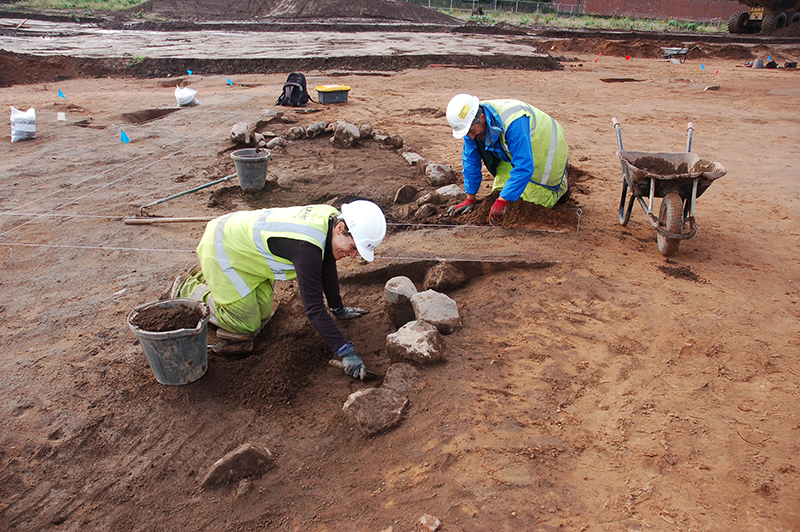
Maureen Kilpatrick, GUARD Archaeology In our final lecture of the programme, Dr. Maureen Kilpatrick of Guard Archaeology will tell us about the amazing archaeological finds in advance of the Eden Woods housing development in Guardbridge. Not to be missed for all those who live in the area. Between 2019 and 2021 GUARD Archaeology excavated an Continue reading "https://archsoc.wp.st-andrews.ac.uk/wp-content/themes/gridd"
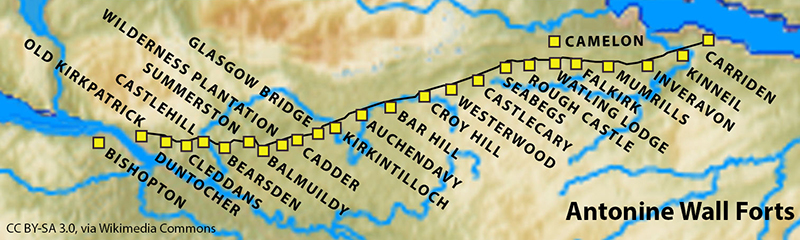
Geoff Bailey, former Keeper, Falkirk Museums and a leading authority on the archaeology of the Antonine Wall will be taking us on an insider tour of Scotland's biggest building project. We will visit Rough Castle Fort, the Antonine Wall exhibition at Callendar House and Kinneil fortlet and Museum. This is an all day excursion departing Continue reading "https://archsoc.wp.st-andrews.ac.uk/wp-content/themes/gridd"
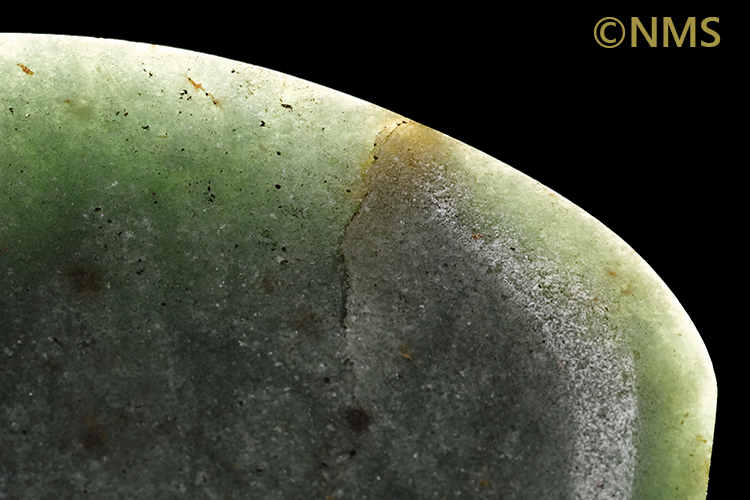
DR ALISON SHERIDAN, Emerita Principal Curator of Early Prehistory at National Museums Scotland is our 2023 MITFORD LECTURER. Her lecture deals with the fascinating story of Scotland’s earliest farmers who lived here between around 4000 BC and 2500 BC, during what we call the Neolithic (New Stone Age) period. Who were these people? How did Continue reading "https://archsoc.wp.st-andrews.ac.uk/wp-content/themes/gridd"
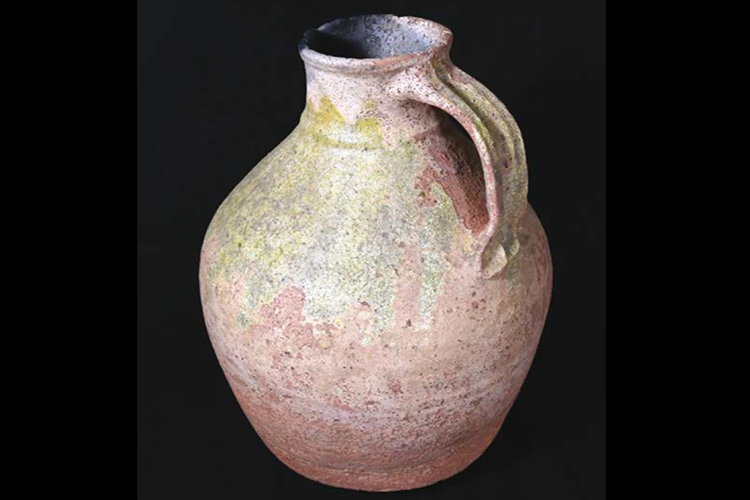
JULIE FRANKLIN, Headland Archaeology presents results from recent excavations at 100 North Street. Located within the medieval burgh of St Andrews the site contained evidence for medieval and post-medieval activity. Occupation predominantly dates to the later 12th and 13th centuries but there are also hints of pre-burghal activity. Features included boundary ditches, extraction pits, water Continue reading "https://archsoc.wp.st-andrews.ac.uk/wp-content/themes/gridd"
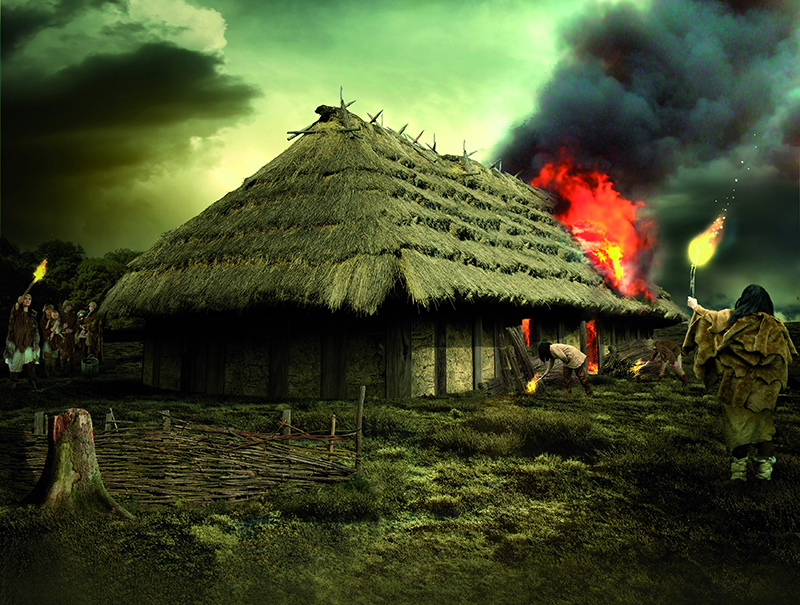
PROFESSOR IAN RALSTON, Abercromby Professor of Archaeology, School of History, Classics & Archaeology, University of Edinburgh. In July 1959, while Brian Hope-Taylor, Ministry of Works digger and soon-to-be Assistant Lecturer in Archaeology at Cambridge, was still in course of excavating the great Anglo-Saxon palace complex at Yeavering in Northumberland, his future colleague, Dr Kenneth Continue reading "https://archsoc.wp.st-andrews.ac.uk/wp-content/themes/gridd"
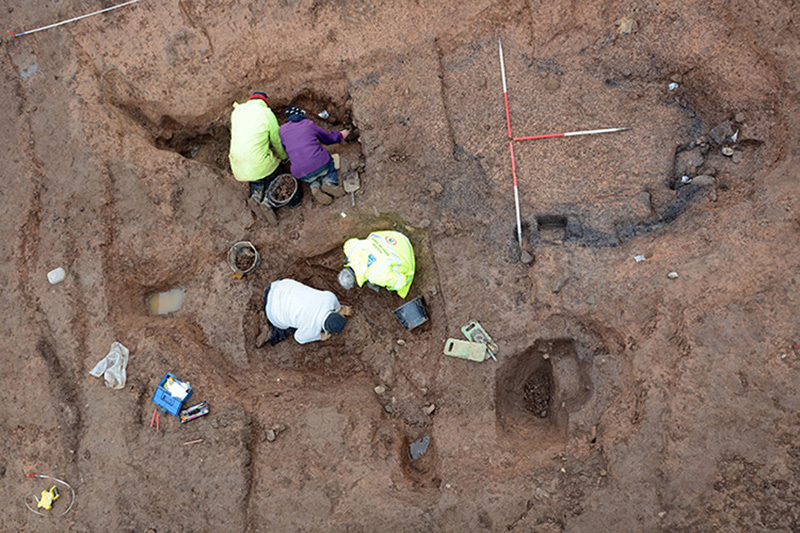
STEPHEN SHERLOCK, Independent Archaeologist presents new evidence for Early Neolithic (3800–3700 BC) salt-making at Street House, Loftus, in north-east England. This deeply stratified coastal site has yielded the remains of a brine-storage pit and a saltern with at least three associated hearths, together with an assemblage of flint and stone tools, ceramic vessel sherds and Continue reading "https://archsoc.wp.st-andrews.ac.uk/wp-content/themes/gridd"
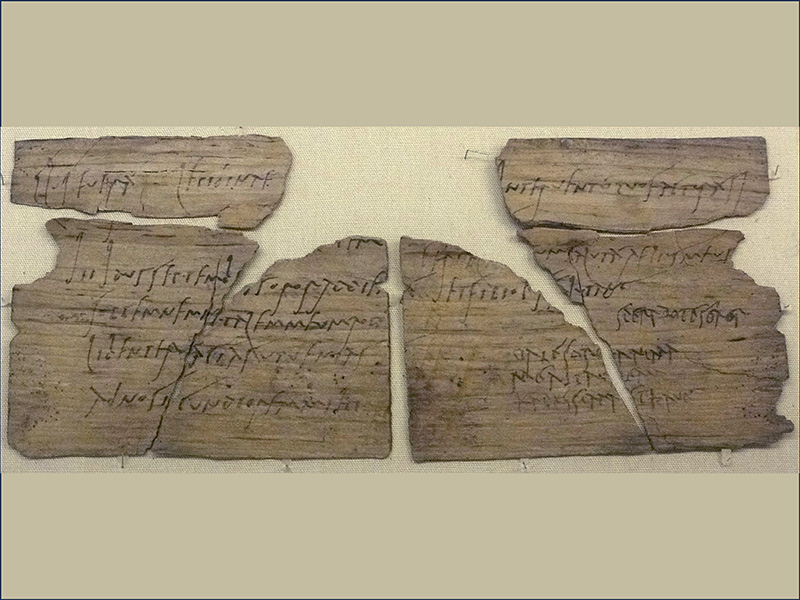
PENNY TRICHLER, Vindolanda Trust looks back at the 2023 season of digging at Roman Vindolanda Fort on Hadrian’s Wall. She explores the archaeological progress and remarkable discoveries, within the setting of Vindolanda’s complex history and takes a closer look at the plans for upcoming excavation and research projects at the Vindolanda Trust.
The April 2024 Spring Outing is regrettably cancelled.
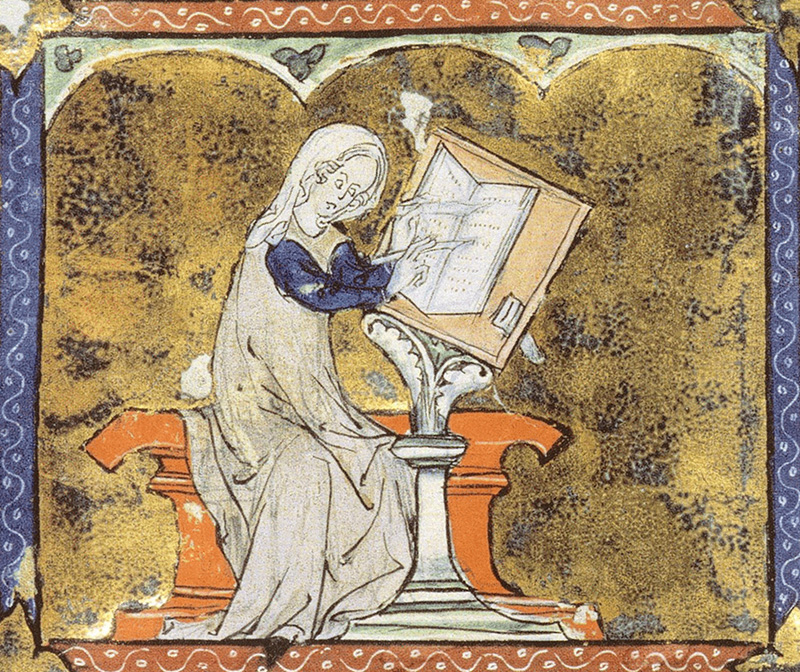
Our knowledge of the period of European history conventionally called the Middle Ages rests, in a large part, on the writings that survive from that time, all of them manuscript. In this talk PROFESSOR ROBERT BARTLETT, Emeritus, University of St Andrews, explores cases in which large numbers of such manuscripts were destroyed in a day, Continue reading "https://archsoc.wp.st-andrews.ac.uk/wp-content/themes/gridd"
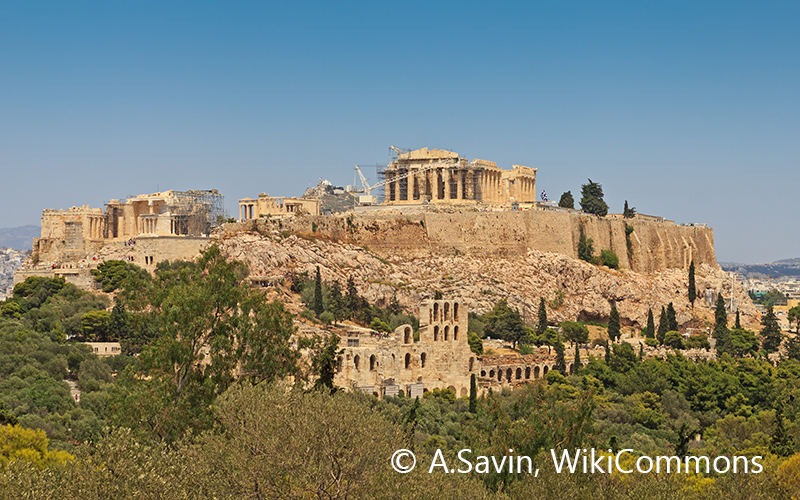
PROFESSOR TOM HARRISON, British Museum, looks again at the old thesis that the iconography of the Parthenon took inspiration from the art of Persepolis. He does so by taking a wider view of the role of Persia as a model for Athenian imperialism. By examining the evidence for other Persian architectural and artistic influence on Continue reading "https://archsoc.wp.st-andrews.ac.uk/wp-content/themes/gridd"